A convertible bond lets a company raise a billion dollars in debt today. The door stays open to turn that debt into stock later. That's exactly what AST SpaceMobile just did: a $1.15 billion deal that briefly spooked investors, then triggered a Strong Buy upgrade days later.
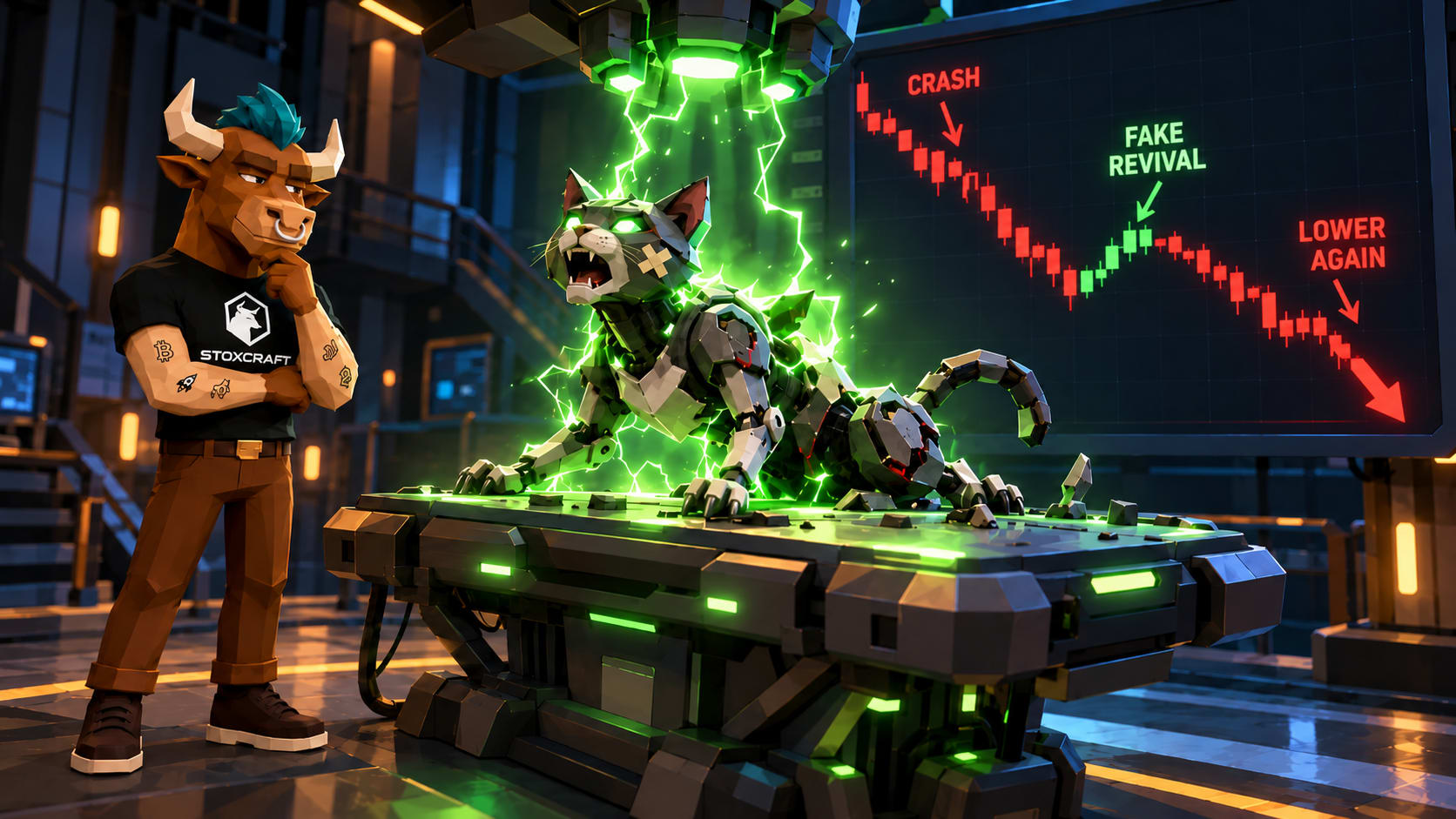
The stock dropped 17% on the announcement. Four days later it was up 12%. Two analyst firms turned bullish in between.
That's what this piece covers: how convertible bonds work, and what the ASTS deal signals.




What is a convertible bond? A plain-English definition
A regular bond is a loan. A company borrows money, pays interest on a fixed schedule, and repays the principal when the bond matures.
A convertible bond adds one clause to that. The lender can swap the debt for shares instead of waiting for cash repayment. The share price at which that swap can happen is called the conversion price. It's fixed at the time the deal is priced.
Miss any one of the three and you can't read the deal. The coupon tells you the cash cost. The conversion price tells you the dilution trigger. The maturity date tells you the deadline.
Because that upside option has real value, lenders accept a lower coupon than a plain bond requires. That's the trade. The borrower pays less interest today and gives up a potential equity slice later, but only if the stock performs. The Academy skill on what a bond really is covers the mechanics from scratch.
Why companies choose convertible bonds over regular debt or stock
Growth companies with negative free cash flow face a financing problem. Traditional debt is expensive when you're not yet profitable, and selling new stock dilutes shareholders immediately. Convertible bonds thread that needle.
The interest cost advantage
Because the conversion option has value to investors, they price it into the deal by accepting lower interest payments. For companies burning cash, the gap between a 6% straight bond and a 1.625% convertible bond runs to tens of millions in year-one interest alone.
That saved interest can fund operations, R&D, or capex that would otherwise require additional equity raises.
Dilution that is conditional, not immediate
With a stock offering, dilution hits shareholders the day the deal closes. With a convertible, dilution only occurs if and when the notes convert to shares. That typically requires the stock to trade significantly above the conversion price for a sustained period.
So management can raise substantial capital today while leaving the dilution question conditional on future stock performance. If the business executes and the stock runs, conversion happens. Shareholders have already benefited from the gains. If the stock stagnates, the notes stay debt and get repaid.
US convertible issuance topped $120 billion in 2025. The record was driven largely by tech and AI growth companies financing exactly this trade. Alphabet (GOOG) raised $19.25 billion this way in June 2026. Oracle (ORCL) tapped the market for $5 billion in February.



The ASTS case study: inside the $1.15 billion deal
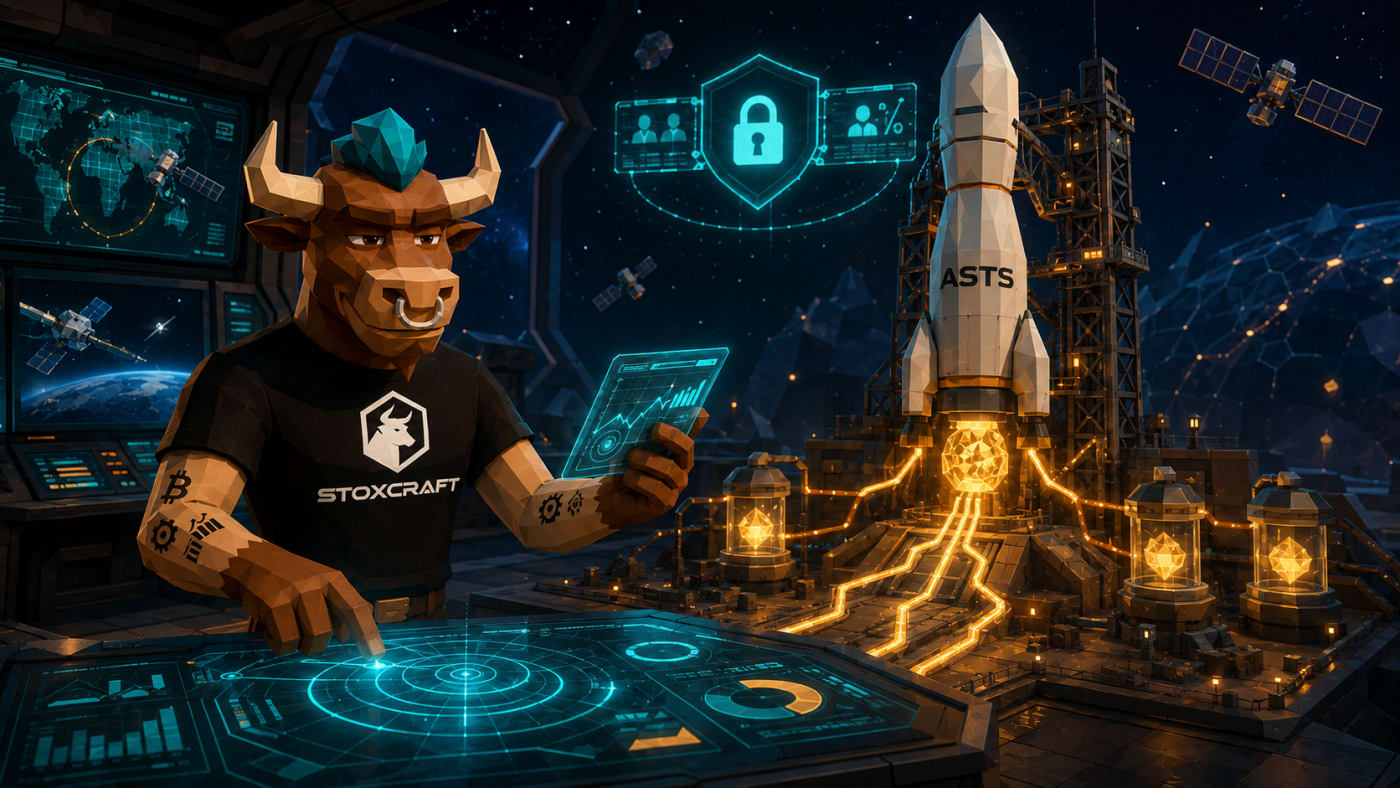
AST SpaceMobile (ASTS) is building the world's first space-based cellular broadband network accessible directly by standard smartphones. That ambition requires massive, sustained capital. Annual revenue of just $70.9 million against a $461 million net loss means the company can't self-fund.
The deal terms
On July 15, 2026, ASTS announced a $1.0 billion private offering of convertible senior notes due 2034. The initial purchasers exercised their full overallotment option, closing the deal at $1.15 billion on July 22.
A 1.625% coupon for a company running a nine-figure annual loss is not an accident. Institutional investors accepted that rate. The conversion option, exposure to ASTS equity upside at a 20% premium, was worth more than the foregone interest.
The capped call structure
To further limit dilution for existing shareholders, ASTS entered into capped call transactions alongside the notes offering. The company spent roughly $96.9 million on these hedges, purchased from the same initial purchasers.
A capped call works by raising the effective conversion price. If the stock rises above the initial conversion price, the hedge counterparties pay ASTS back in stock or cash, offsetting the dilutive shares that would otherwise be issued. The cap on these transactions sits at $149.20 per share, a 125% premium to the July 15 close.
The result: effective dilution of less than 2% of outstanding shares, despite raising $1.15 billion. Roughly 15.1 million shares could be issued on full conversion, against roughly 430 million outstanding.
Use of proceeds and price reaction


Management designated the net proceeds for expanded orbital access, vertical integration, and potential strategic partnerships or acquisitions. Pro forma cash now exceeds $3.8 billion. That funds the constellation buildout toward the 45-satellite target, now expected in early 2027 after Blue Origin launch delays.
The stock reacted exactly as convertible announcements typically do. Shares closed at $55.01 on July 16, down 17.04% on 52.2 million shares. That volume ran roughly 13% above the three-month average. The initial market read was dilution risk. The market had not yet priced the capped call structure.
The reappraisal came quickly. B. Riley upgraded the stock to Buy on July 17 with an $85 price target. The firm cited the strengthened balance sheet. Piper Sandler initiated at Overweight with a $100 target. By July 21, shares had climbed 12% to $64.
Satellite peers moved in sympathy. Rocket Lab (RKLB) gained 5% on July 21. Globalstar (GSAT) and Iridium (IRDM) had slipped during the ASTS selloff but recovered alongside it.
What convertible bonds mean for investors: dilution, upside, risk
A convertible bond is not free money. It shifts the dilution question from today to a future date, conditional on stock performance. For investors in ASTS or any company with convertible notes outstanding, three mechanics are worth tracking.
When dilution occurs
Conversion isn't automatic at the conversion price. The ASTS notes include a standard conditional conversion trigger. The stock must trade above 130% of the conversion price, roughly $103, for at least 20 of 30 consecutive trading days before noteholders can convert voluntarily.
Below $79.57, noteholders have no economic incentive to convert. They keep collecting 1.625% interest and wait. Dilution only becomes a live issue when the stock is already trading significantly higher.
The debt risk if conversion doesn't happen
If ASTS stock never reaches conversion levels, the $1.15 billion stays on the balance sheet as debt. The company must repay it in cash by February 2034.
That matters in context. Total debt already sits near $2.24 billion against $2.39 billion of total equity. Operating cash flow ran negative at $71.5 million last year. That is the leverage picture every convertible investor should model.
The Health Score of 1.5 reflects weak fundamentals for the sector. Losses and negative cash generation dominate that reading. The Risk Score of 10 signals maximum volatility exposure. Higher always means more risk on this scale, never less. A beta of 2.68 means the stock amplifies market moves by roughly 2.7 times in both directions.
The Performance Score of 6.5 sits above the Stoxcraft median. Three-year returns above 1,100% carry it, not recent months. Shares trade near $53 today against a 52-week high of $133.86. The overall profile lands at 1½ stars. Our scoring system explainer breaks down how these numbers combine.
The upside case
The flip side is that ASTS raised $1.15 billion at 1.625% while running nine-figure losses. That is what institutional demand for a compelling growth story looks like. The capped call limits the dilutive damage if the thesis plays out and the stock runs to $149.20 or beyond.
The framework is simple. The notes stay cheap debt if the satellite network fails to ramp revenue. They convert into shares and create dilution only if the business succeeds enough for the stock to clear $103 and sustain it.
How to read a convertible bond deal like an analyst
Every convertible bond announcement comes with a wall of SEC language. Five numbers cut through most of it. The Academy skill on how dividends, splits and dilution work covers the ownership-math foundation.
Then run the dilution math yourself. Divide total principal by conversion price to get maximum new shares. Divide that by current shares outstanding to get gross dilution percentage. Subtract whatever the capped call covers. For ASTS: $1.15 billion at $79.57 equals roughly 14.5 million shares, or about 3.4% gross. The capped call brings effective dilution below 2%.
The most important signal is often what happens in the days after the announcement. A sharp selloff that reverses on analyst upgrades, exactly what ASTS experienced, usually means the market mispriced the structure on day one. The correction comes when the capped call mechanics get properly modeled.
Short-term price reactions to convertible announcements are almost always noisier than the actual dilution math. The real test isn't the announcement day. It's whether the business generates enough revenue to make conversion a win rather than a penalty. Run the Stoxcraft Screener to compare ASTS against other high-growth names with similar capital structures.