-
 Choose your first island
 -
 Stoxcraft Introduction
 -
 Investment Basics
 -
 Investment Psychology
 -
 Financial Products and Markets
 -
 Risk and Portfolio Management
 -
 Fundamental Analysis
 -
 Chart and Technical Analysis
 -
 Taxes and Legal Aspects
 -
 News and Hype Cycles
 -
 AI & Investing
 -
 The Strategy Codex
 -
 Cryptos and Blockchain
 -
 The Final Quest






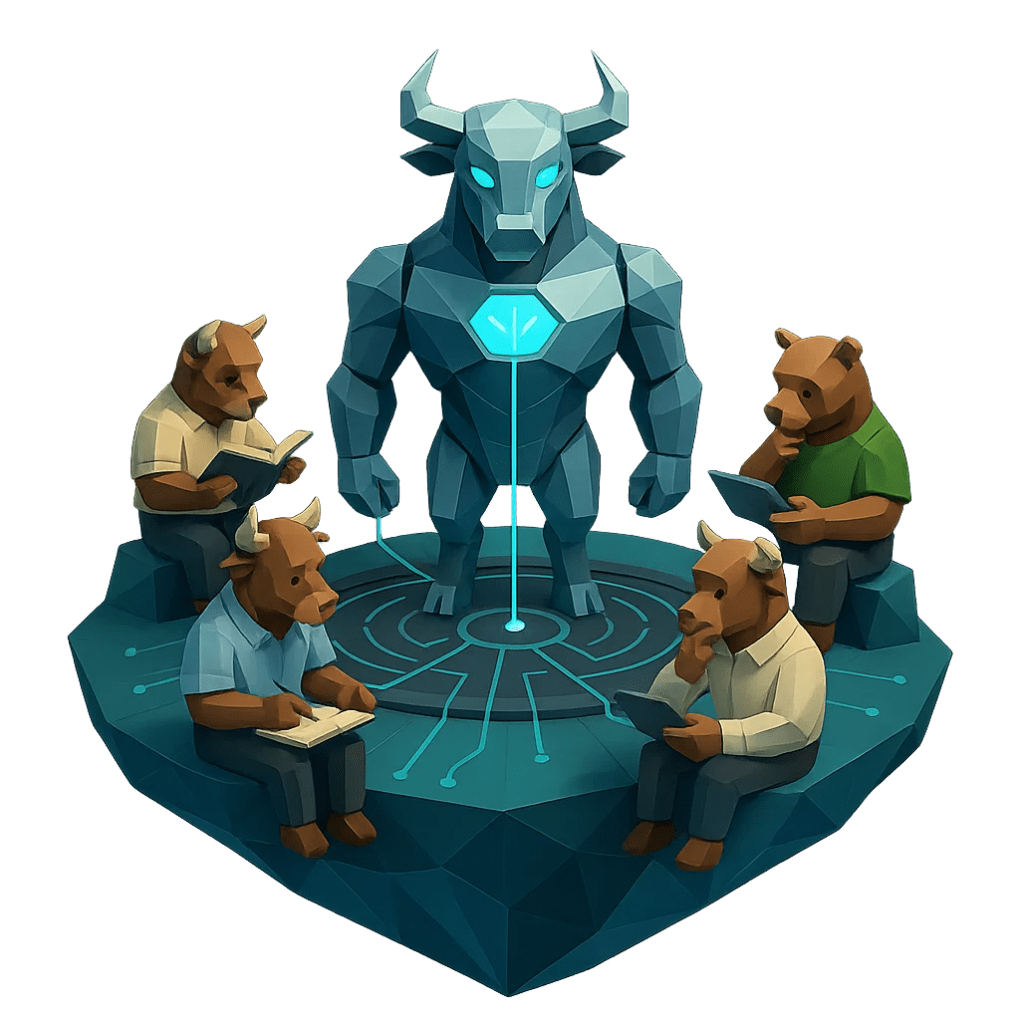







Learn how AI tools are changing investing
Explore tools, risks, and strategies while earning rewards as you progress through the island.


Understanding the promise and limits of AI in investing

How prompts, data, and bias shape AI-driven investment outputs
AI is changing how investing works. From stock screeners and robo-advisors to chatbots that generate strategies in seconds, it feels like machines suddenly have the upper hand. But AI isn’t magic. It doesn’t think, predict the future, or understand markets the way humans do. It processes data, follows patterns, and reflects the assumptions built into it.
This island is about understanding what AI actually does in an investing context. You learn how algorithms analyze data, where their strengths come from, and why their outputs are only as good as the inputs you give them. Used well, AI can save time, surface insights, and support better decisions. Used blindly, it can amplify errors, hide risk, and create a false sense of certainty.
You’ll explore how to work with AI instead of outsourcing your thinking to it. That means asking better questions, spotting weak or misleading tools, understanding where automation helps and where it breaks down. The focus isn’t on beating the market with prompts, but on becoming a smarter investor in a world where AI is everywhere.
This island helps you stay in control while others chase shortcuts.
Skills you’ll unlock on this island
- How AI is changing investing and why tools now shape how investors see markets
- When AI outperforms humans in investing and where human judgment still matters more
- What AI needs to work in investing and why data quality and context decide results
- How robo-advisors build portfolios and what assumptions guide their decisions
- How AI improves stock screening by filtering large datasets faster than humans
- Where AI can go wrong in investing and how blind trust amplifies mistakes
- How investors use AI tools in practice to support research and decision-making
- How investors evaluate AI tools and separate useful systems from empty hype
- How prompting works and why asking the right questions matters more than clever wording
- How investors build and test strategies with AI without outsourcing responsibility


