What the Split Actually Changes
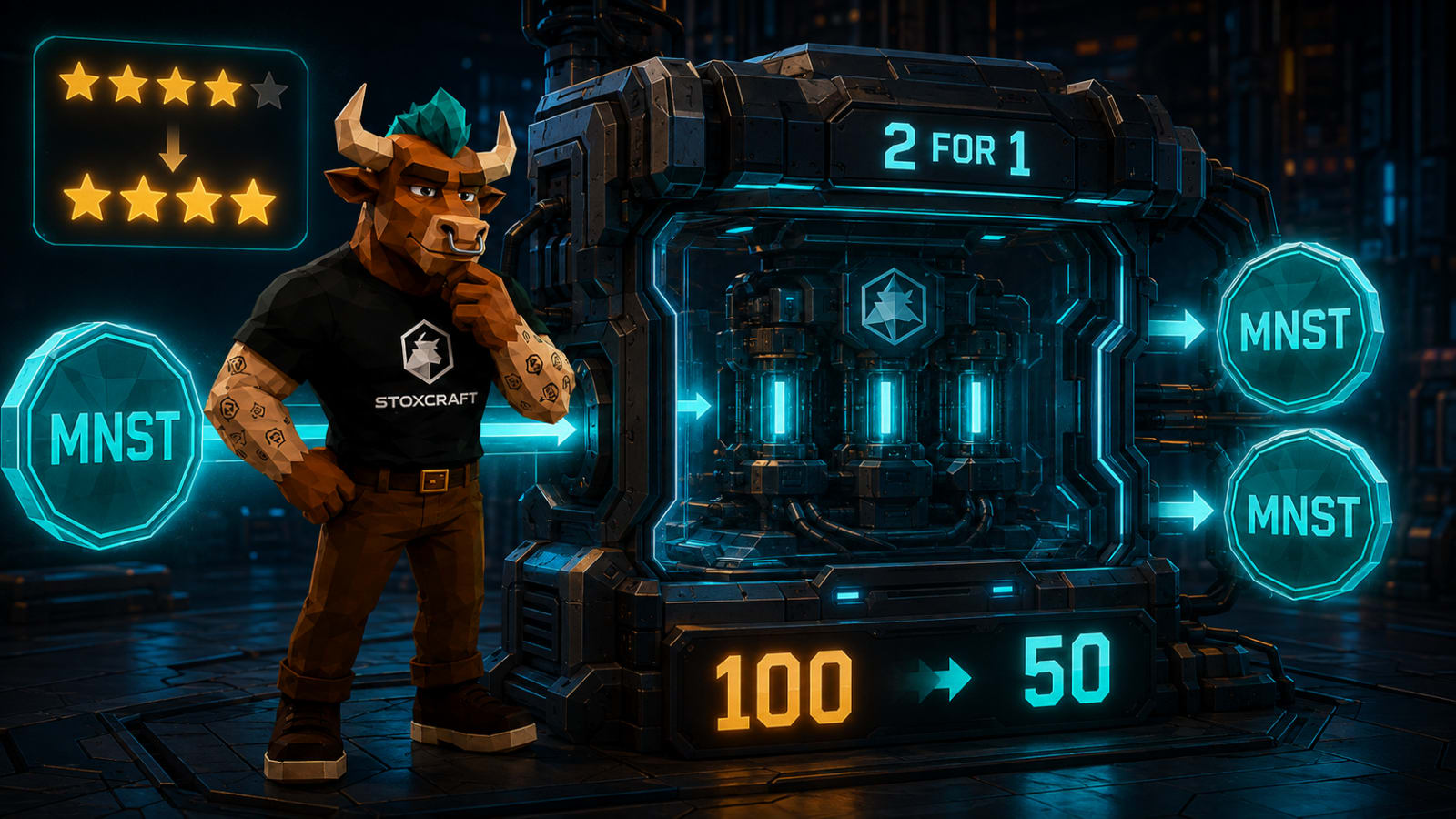
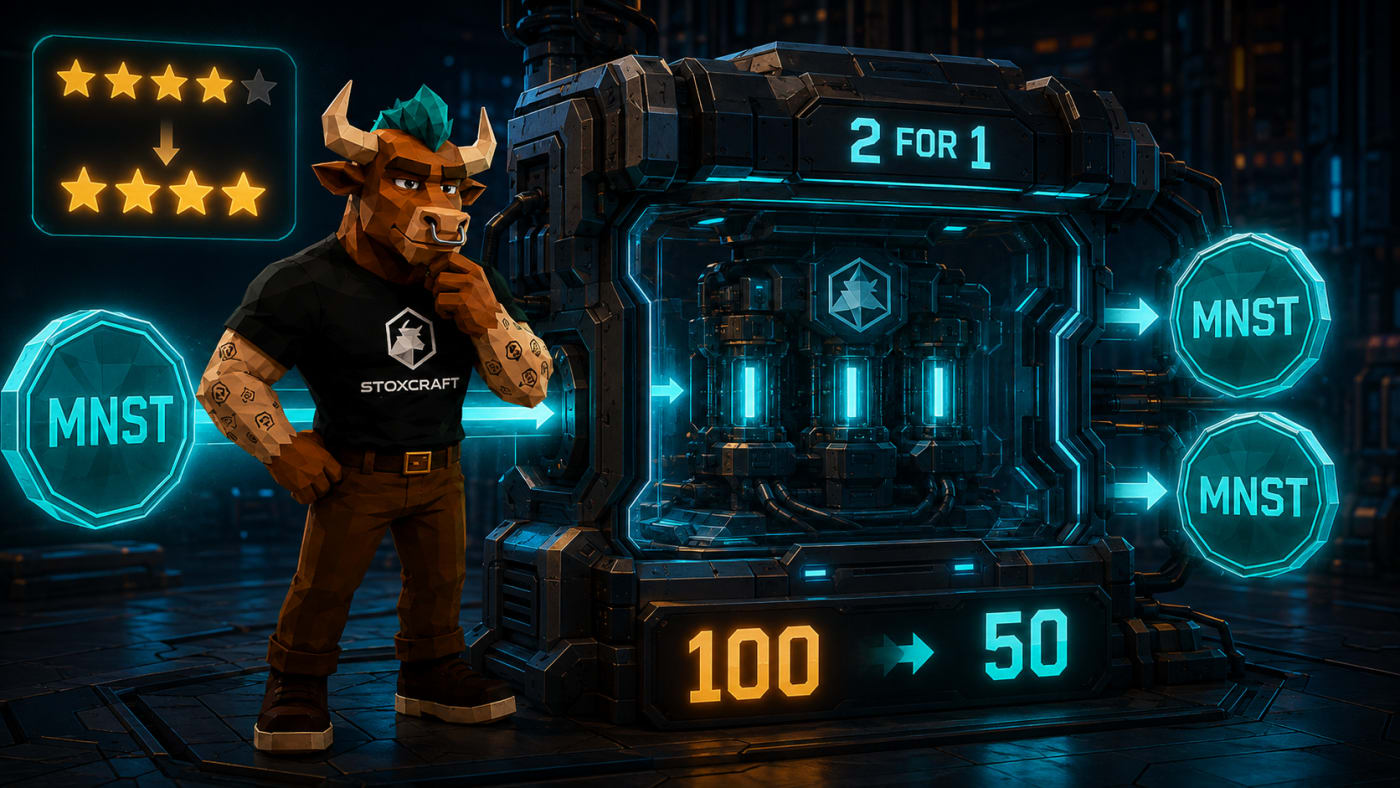
Monster Beverage's board declared a 2-for-1 stock split back on July 8, 2026. Split-adjusted trading began August 11, doubling the share count and roughly halving the price per share.
Nothing about the business changed. A stock split doesn't touch revenue, margins, or the balance sheet. It just makes the stock cheaper to buy one share of, and it tends to pull in a wave of headline coverage the underlying fundamentals didn't ask for.
That coverage is worth looking past. The more interesting story at Monster Beverage happened weeks before the split even priced in.
The Scores Say Strong, Just Not Perfect Anymore
MNST carried a rare 5-star Overall Rating into mid-July, the kind of full alignment across Health, Performance, and Risk that only a handful of stocks in the entire Stoxcraft universe manage at once. On July 16, that rating slipped to 4 stars.
The Health Score is the reason why. It sat at 8.2 in early July, well above the Consumer Defensive sector median, before easing toward its current 6.5. The company's fundamentals are still solid: a 23.1% net profit margin and virtually no long-term debt keep the balance sheet ahead of most beverage peers. But the score reflects a real cooling, not just noise.
Performance has been the choppiest piece. The score swung between 7.7 and 8.3 across July before settling at 7.0 today, still comfortably above the universe median of 5 but no longer climbing in a straight line. Shares are down 6.1% over the past month and now trade 8.9% below their 52-week high of $100.34, even as the stock remains up 43.6% over the past year and 57.4% over three years.
Risk is the one score that hasn't moved much. A Risk Score of 3.3, backed by a low 0.53 beta and a shallow 4.33% max drawdown over the trailing year, keeps MNST in low-volatility territory relative to the broader market. An RSI near 41 suggests the stock isn't stretched in either direction right now, just drifting.
The market hasn't fully priced in the cooldown either way. Analysts still carry a $97.27 price target on MNST, roughly 6% above the current $91.43, and the stock trades at a 39.3 P/E that assumes the growth story isn't over. A Piotroski Score of 5 and an Altman Z-Score above 3 both point to a balance sheet in no near-term danger, split or no split.
How MNST Stacks Up Against Coca-Cola and PepsiCo
Put next to its two closest large-cap comparisons, Coca-Cola and PepsiCo, Monster Beverage still leads on quality even after the pullback.






Coca-Cola carries a steadier 4-star rating built on a lower 1.8 Risk Score and a 6.2 Performance Score, but its 1-year return of 22.8% trails MNST by more than half. PepsiCo tells the opposite story: a Health Score of 6.5, right in line with Monster Beverage's current level, paired with a Performance Score close to 0 and a share price down 4.9% over the past year.
The price charts tell the same story the scores do. Here's how all three have traded over the past few months.
That contrast is the real takeaway from the split. Monster Beverage didn't earn its 5-star rating by accident, and a Health Score in the mid-6s still puts it ahead of PepsiCo's fundamentals-versus-performance mismatch. But the gap between "rare 5-star alignment" and "still a strong 4-star stock" is exactly the kind of thing a split's headlines tend to paper over.
For anyone buying the announcement rather than the current scorecard, that distinction matters more than the new share count. Curious how the ratio math behind any split actually works? Our stock split explainer breaks it down step by step. For a live look at where MNST and its peers rank right now, the Stoxcraft Screener lets you filter by score and sector.