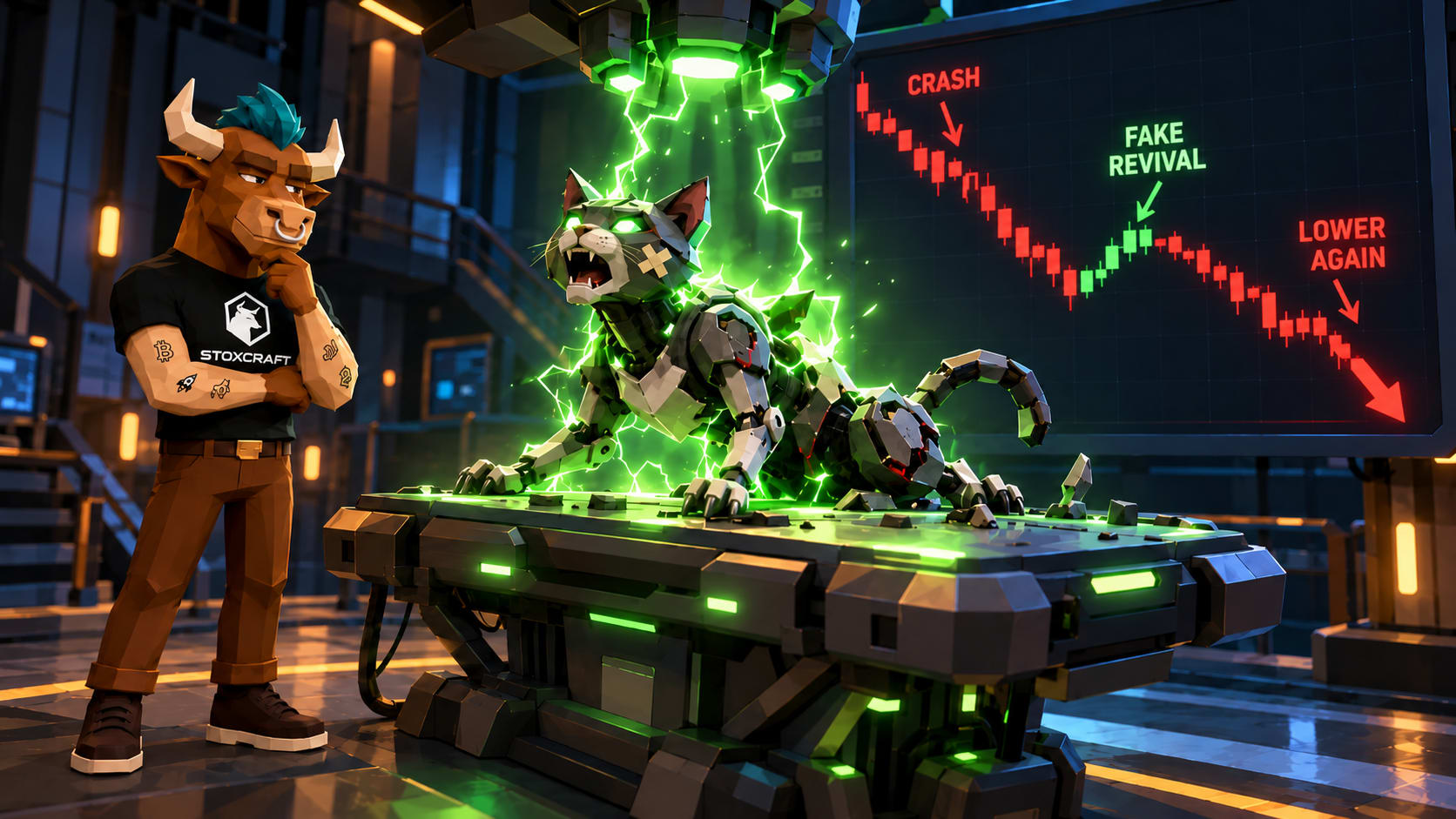
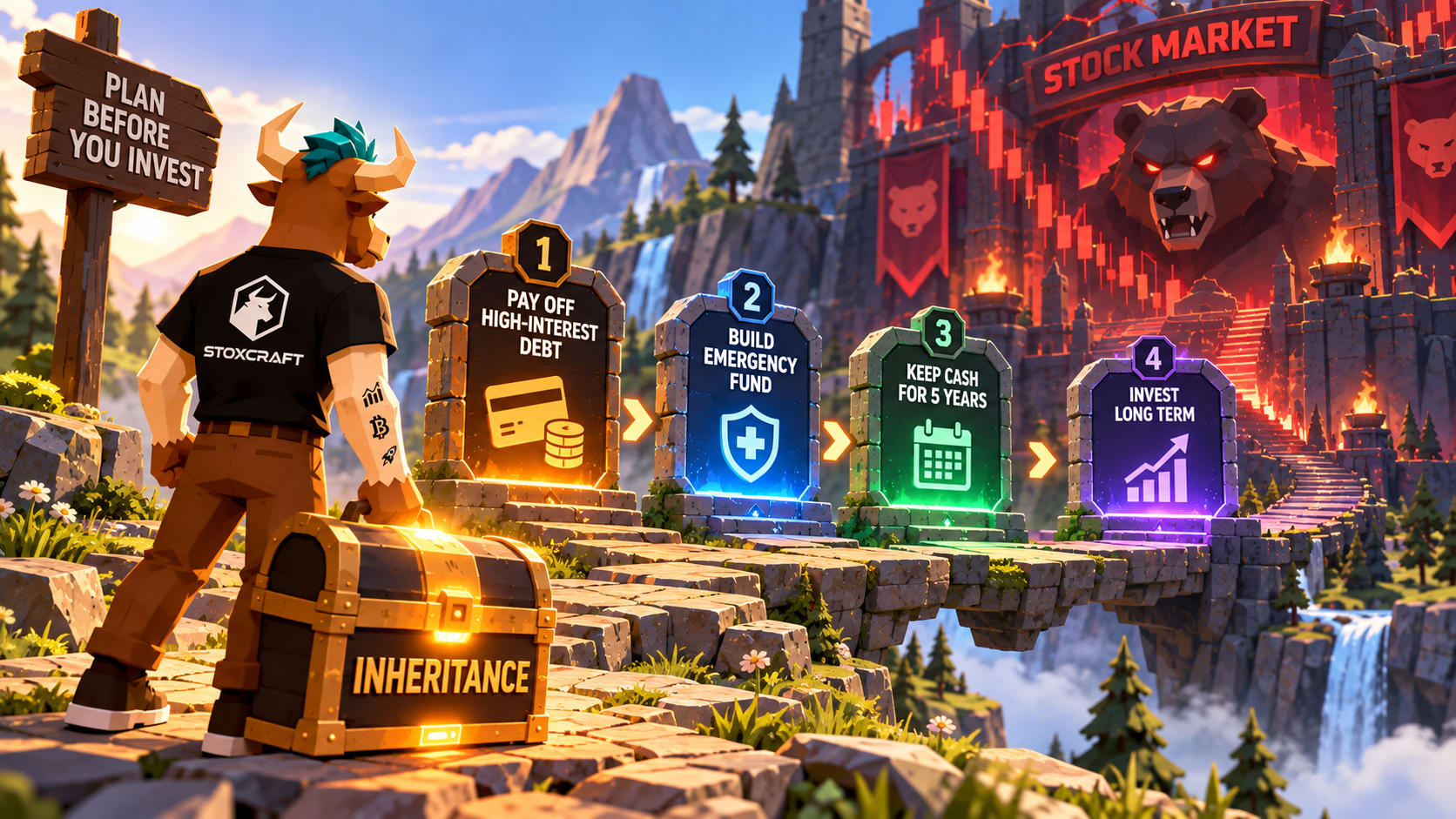
A meme stock isn't defined by its fundamentals. It's defined by what happens when retail attention and short interest collide.
That collision has turned struggling companies into billion dollar headlines overnight. It has also wiped out portfolios just as fast.
Neither outcome is an accident. Both come from the same mechanism.
What is a meme stock, exactly?
A meme stock is a stock whose price moves mainly on social attention rather than earnings or revenue. The name comes from how these trades spread. A post goes viral on Reddit or X, retail traders pile in together, and the stock moves in a way its balance sheet never predicted.
GameStop (GME) is the textbook case. Before January 2021, it was a fading brick and mortar retailer. Within weeks, it became the most talked about stock on Wall Street.
Being a meme stock doesn't mean a company is worthless. It means the price action is driven by crowd behavior more than by fundamentals in that moment.
Some meme stocks fade fast. Others use the spotlight to fix their business.
How short interest turns into a short squeeze
Most viral rallies start with the same ingredient: heavy short selling. Hedge funds bet a stock will fall by borrowing and selling shares, planning to buy them back cheaper later.
That bet only works if the price drops. When it rises instead, short sellers face losses that grow the higher the stock climbs. Eventually they're forced to buy back shares to cut losses.
That buying pushes the price up even more. It forces out the next wave of shorts.
This is a short squeeze. It feeds on itself.
The mechanism gets more dangerous when short interest exceeds the stock's float, the shares actually available to trade. By January 2021, short interest in GameStop had climbed to 140% of its tradable float, a level almost never seen before that point. When the squeeze hit, the unwind erased roughly $20 billion in short seller value in a matter of weeks.
Three conditions tend to line up before a real squeeze happens:
- Short interest well above 20% of float
- A small float that limits how many shares are actually tradable
- A specific catalyst, like a news headline or an influential trader's post
Miss any one of these and the "squeeze" usually fizzles instead of firing.
Stoxcraft's deep dive on short squeezes breaks down the full mechanics, including why the biggest ones tend to end faster than they start.
The float matters as much as the short interest number itself. A large float can absorb heavy short selling without much drama. A small one turns that same short interest into a pressure cooker, since there simply aren't enough shares around to meet the demand once shorts start covering.
How social momentum fuels a meme stock rally
Short interest lights the fuse. Social momentum is what keeps it burning. Once a rally gets attention, FOMO pulls in traders who have never looked at the company's financials.
This isn't limited to 2021. In May 2024, GameStop jumped 60.1% in a single session after trader Keith Gill, known online as Roaring Kitty, returned to social media after a three year absence.
No earnings report caused that move. A single post did.
This kind of momentum tends to follow a pattern:
- A trigger event goes viral, often on Reddit or X
- New buyers pile in, driving the price up fast
- Rising prices bring in more attention, restarting the cycle
- Traders who bought early sometimes hold with diamond hands, refusing to sell no matter how sharp the swings get
The hype cycle behind a meme stock moves faster than any earnings calendar. That speed is exactly what makes these rallies hard to trade and even harder to time. Stoxcraft's Academy skill on how social media moves stocks breaks down exactly how a viral post turns into real buying pressure, if you want to go deeper on the mechanism itself.
Meme stock vs fundamentally strong stock: what's the difference
Not every stock that pops on social media is the same underneath. Some are pure hype. Others have real business improvements hiding behind the noise.
Knowing which is which changes how you should treat the move.
Signs a stock is riding pure hype
- The rally has no connection to earnings, guidance, or new products
- Volume spikes come from social media mentions, not institutional buying
- The price move looks nothing like the company's historical trading range
- There's no clear reason the stock should be worth more today than last week
Signs there's real substance underneath
- Revenue or margins are improving alongside the price move
- New leadership or a turnaround plan is genuinely changing the business
- Institutional investors are buying, not just retail traders
- The stock's move lines up with a real catalyst, like a buyout rumor with actual substance
A stock can start as pure hype and still end up somewhere real. GameStop used its 2021 spotlight to raise cash and pay down debt. That doesn't erase the fact that the initial spike had nothing to do with any of that.
The Spotting overhyped stories skill in the Stoxcraft Academy walks through this exact pattern, catching a story before the hype outruns the substance behind it.
How to read a meme rally using Stoxcraft score data
Hype is loud. Fundamentals are quiet. Score data is how you check which one is driving the price.
A stock's Performance Score shows how it has done across multiple timeframes compared to the rest of the market, not just the past week's headlines. A meme stock can show a spike in short term price action while its longer term Performance Score tells a much less exciting story. That gap between the headline move and the score is often the clearest tell you'll get.
Health Score works the same way for the balance sheet. It reflects how a company stacks up against its own sector on overall balance sheet strength, regardless of how loud the chatter around it gets. A stock can be trending on social media and still carry a weak Health Score underneath.
Risk Score matters most here. A high Risk Score means elevated risk, not a good sign, so a stock in the middle of a meme rally will often show an elevated reading as volatility spikes. That's the score confirming what the price chart is already screaming.
Running a ticker through the Stoxcraft Screener before buying into a rally takes thirty seconds. It's the fastest way to see whether the crowd is reacting to something real or reacting to itself. Pull up the ticker, check the three scores side by side, and compare that picture against whatever the headline is claiming.
Other names from the original 2021 wave, like BlackBerry (BB) and Nokia (NOK), show the same pattern. Big social attention, sharp price swings, and fundamentals that mostly stayed unchanged the whole time.
Meme stocks are a mechanism, not a verdict
A meme stock isn't a category of bad investment. It's a description of how a price move happened. Short interest, a small float, and social momentum can turn any ticker into one overnight.
The mechanism doesn't tell you whether the company is worth owning. That answer still comes from the fundamentals, not the hashtag.
Check the score data. Know the float. Treat the volatility as the entry price for playing this game at all.