Quick Start
Explore how early investing multiplies your results


Many believe they’ll invest once they earn more or when the timing feels right. But waiting comes at a price. And that price isn’t just missed returns. It’s lost freedom.
Starting late means you’re always trying to catch up. The goal stays the same, but the climb gets steeper. You’ll need to invest more, take on more risk, or give up more time to get there. That pressure builds fast.
Starting early gives you space. Space to slow down, switch gears, or step back without losing momentum.
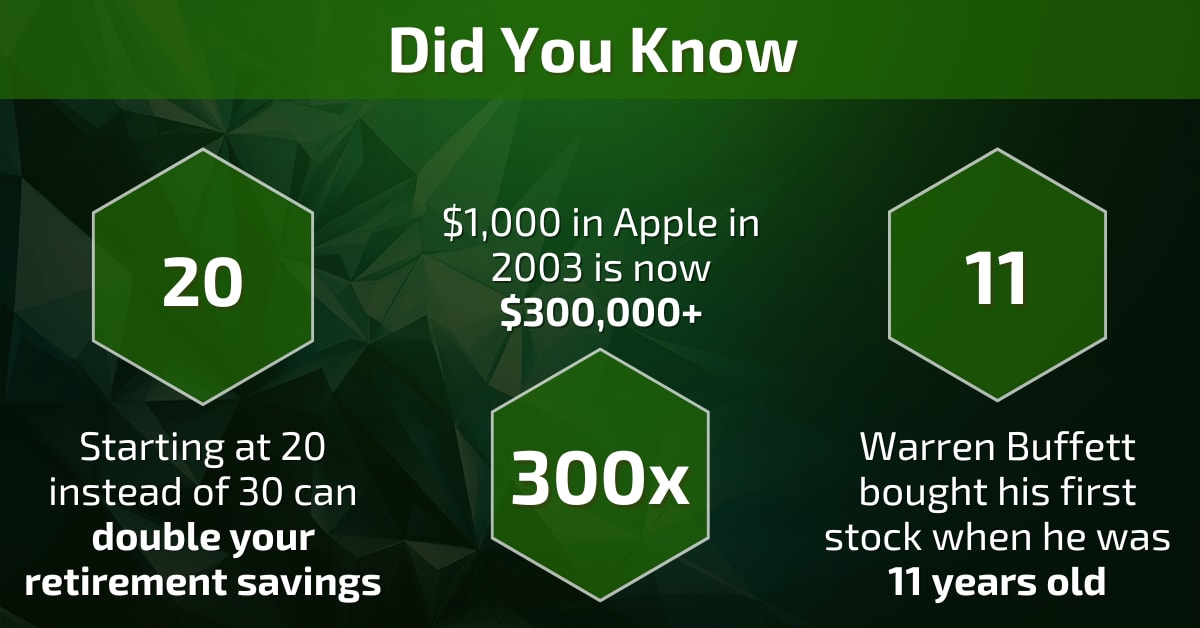
Imagine two people invest the same total amount. One begins at age 20. The other waits until 35.
Even if the early starter stops investing halfway through, their portfolio still outpaces the late one. Not because they contributed more. But because time gave their gains the chance to multiply again and again.
Early action doesn’t just grow your money. It buys you choices. You can pause, downshift, or take fewer risks and still stay on track.
You don’t need huge wins or perfect entries. You need time and consistency.

This isn’t about being first. It’s about letting the system work with you, not against you.
It’s about freedom. Starting early gives you options. Options to work less, change paths, or take on projects without financial stress.
That kind of flexibility doesn’t happen by accident. It’s built one early move at a time. Start now, even if it’s small. Future you will thank you for it.
Core takeaways:
Next up: See how two similar investors end up in very different places, all because of when they started.
