Quick Start
How different order types shape your trades


You open your app, type in a stock, and hit buy.
The order feels like it should be one simple action, but the way you send it changes everything.
In games, you don’t always use the same weapon.
Sometimes you want speed, sometimes accuracy, sometimes defense.
Orders work the same way.
A market order pushes you straight in.
A limit order waits for your conditions.
A stop order only wakes up when the price hits your trigger.
The choice shapes your result long before the trade shows up in your portfolio.
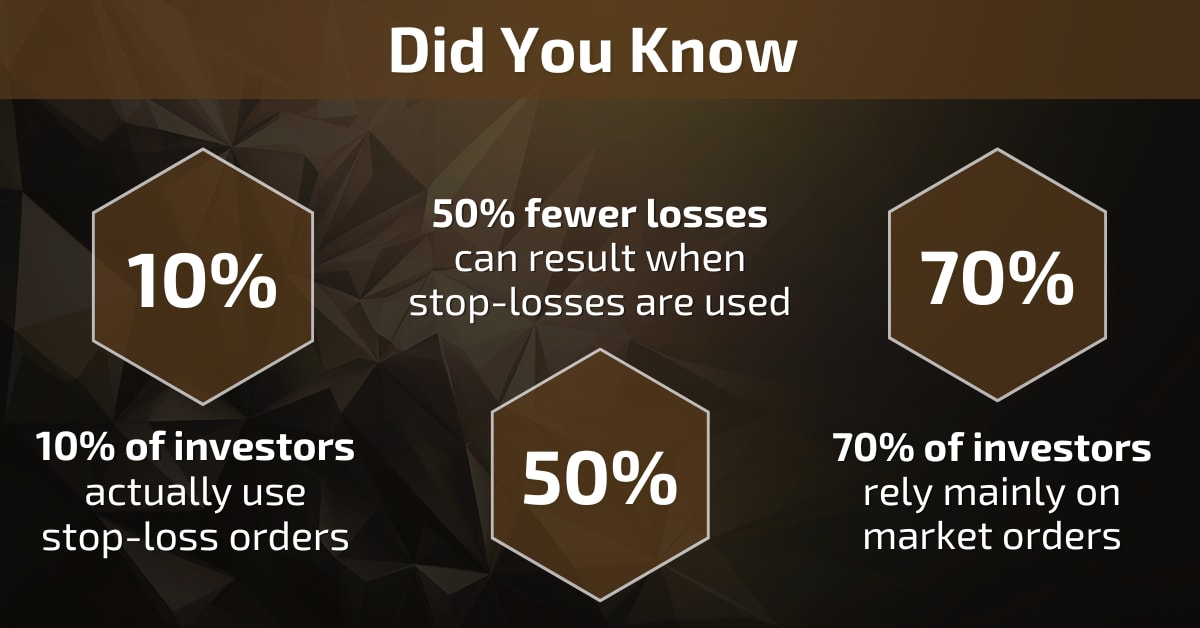
A market order is pure speed. You say “buy now” and the system fills at the next available price.
In highly liquid names like Apple, Amazon or an S&P 500 ETF, that usually means near-instant fills at a fair level.
But in volatile stocks it is like rushing into a crowded store on release day.
You get your copy, but you might pay more than expected.
Meme stocks or illiquid names can move dollars in seconds.
The hidden cost of speed is slippage, where your fill lands worse than the price you saw.
A limit order is strategy over speed.
You set the price and tell the market, “I’ll wait until it comes to me.”
It is like camping in a game lobby, waiting for an opponent to walk into your trap.
For long-term investors, limit orders help avoid late entry and reduce emotional decisions.
The tradeoff is missing the chance altogether. If the stock runs higher, your order just sits there unfilled. Patience gives you control, but sometimes it means you never get in on the move. That’s why limit orders pair naturally with long-term thinking.
Stop orders are the safety trigger.
They activate when a price you choose is crossed, often to protect you from large losses.
In theory it feels like a shield that activates when your health bar drops.
But in markets, shields do not always hold.
Stops add structure and discipline, but they cannot remove chaos entirely.
Managing that trade-off is part of managing risk without losing sleep.
Stops add discipline and structure, but they cannot remove the chaos when price action is violent.
Smart players mix tools. Traders chasing short-term moves might use market orders in liquid ETFs, while long-term investors rely on limit buys to avoid overpaying.
Stops help control losses, but work best when combined with other tools like position sizing or limit orders.
Each order type has a specific purpose: market orders prioritize speed, limit orders give you price control, and stop orders add a layer of protection. If you rely on the wrong one in the wrong situation, you risk worse results. Choosing the right mix keeps you in charge instead of leaving the market to decide for you.
Now it is your turn. Can you spot which order type fits best in different scenarios?
