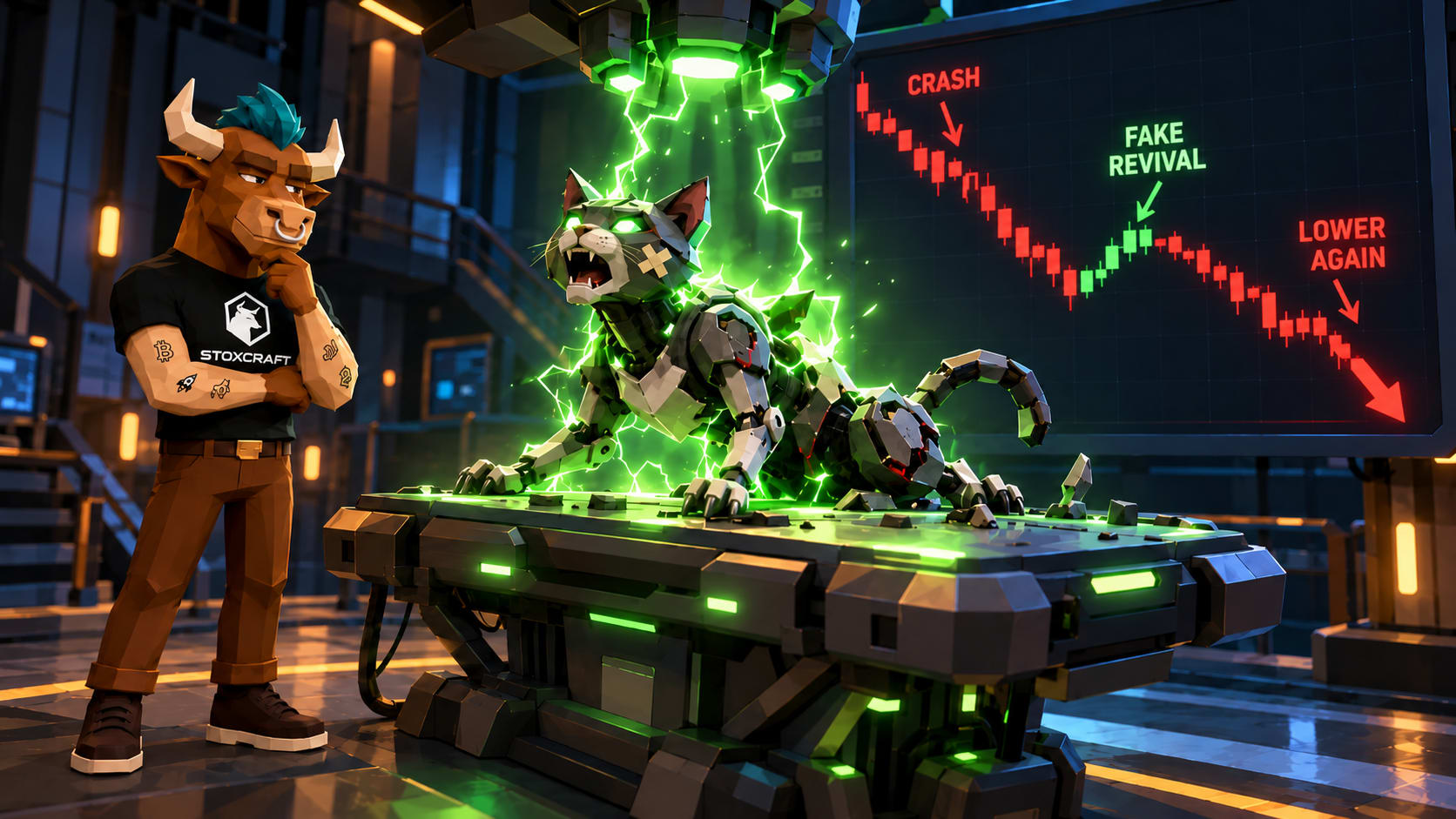
Why investing biases quietly sabotage decision-making
Everyone wants to invest. Everyone assumes they will be a natural at it. You download an app, buy a few stocks and instantly feel like you understand the game. What you do not notice is how many emotional traps you walk into until the first painful losses show up in your trading history. That is the moment you realize the market is not just numbers and charts. It is a psychological battlefield, and most of the damage comes from your own instincts.
Your brain was built for survival, not for Wall Street. It was trained to detect danger fast, copy the crowd to stay alive and avoid discomfort at all costs. Every market dip triggers the same instincts early humans felt when something moved in the grass. It is not logic that moves you first. It is biology.
The good news is that bias is not a flaw. It is a pattern. And once you see the pattern, you can beat it.
Let’s break down the Top 5 investing biases that mess up your investor mindset and how to stop them from running the show.
1. Confirmation bias in investing
What it is and what it does
Confirmation bias happens when your brain prefers feeling right over being right. Once you choose a stock, your mind begins collecting information that supports your decision and ignoring everything that contradicts it. It creates the illusion of research while quietly trapping you inside an echo chamber that rewards belief instead of truth.
Where it shows up
You buy Gamestop because the story feels exciting. Suddenly your feeds show only creators who agree with you. Reddit threads repeat the same narrative again and again. Any bearish article gets dismissed as uninformed. The stock dips, but your curated bubble tells you to hold because everyone around you is repeating the same hope. You are not analyzing anymore. You are defending a belief.

How to counter it
- Read one uncomfortable source for every comfortable one
- Set a checklist before entering a position
- Journal decisions to reveal patterns you usually miss
- Ask yourself what evidence would make you change your mind
👉 Explore more in the Stoxcraft Academy: Confirmation Bias
2. Herding Bias in investing
What it is and what it does
Herding bias occurs when your brain treats the crowd as a shortcut for thinking. If enough people act, it feels safe to follow. It turns hype into urgency and noise into strategy. You mistake popularity for insight and forget that crowds often move based on emotion, not analysis.
Where it shows up
Tesla starts trending again. TikTok creators scream about gains and X is full of Elon Musk quotes. You barely know the earnings story but staying out suddenly feels wrong. You enter because everyone else is already in. The price was inflated by attention, not fundamentals, and when sentiment fades the chart suddenly looks very different. Your decision came from momentum, not understanding.

How to counter it
- Make decisions based on your watchlist, not viral feeds
- Apply a 24 hour pause before entering hype trades
- Ask whether you would still buy it if nobody mentioned it
- Keep exposure small when sentiment is the main driver
👉 Learn more in the Stoxcraft Academy: Herding Bias
3. Anchoring Bias in investing
What it is and what it does
Anchoring bias happens when your brain grabs the first number it sees and treats it as reality. Old prices start to feel like destiny. A stock once valued at a high level becomes the benchmark you expect it to return to, even if the business and market landscape have changed. Your decisions become anchored to nostalgia instead of fundamentals.
Where it shows up
You remember Coinbase at $400 and it now trades around $200. That first number feels like home, so you assume the stock must climb back. Or Nvidia hits a previous high and you tell yourself it will naturally revisit that level, even if valuation has already stretched far beyond what makes sense. You are not investing in the company today. You are chasing a memory of what it once was.

How to counter it
- Evaluate companies based on current fundamentals
- Ignore previous highs when making decisions
- Ask whether the price matters without knowing its history
- Focus on data instead of familiarity
👉 Explore the Academy: Anchoring Bias
4. Loss Aversion in investing
What it is and what it does
Loss aversion is your brain treating financial discomfort like physical danger. Losing money hurts twice as much as gaining the same amount feels good. This imbalance pushes you into panic selling, emotional buying and avoiding choices that feel risky even if they are rational. It tricks you into protecting yourself in the short term at the expense of long-term gains.
Where it shows up
Your Apple position drops five percent. Nothing about the company changed, but the red screen makes your body react instantly. You want to escape the discomfort and the easiest escape is selling. Or you hold a collapsing small cap far too long because selling would make the loss real. Emotion replaces process and short term pain becomes more important than long term performance.

How to counter it
- Zoom out before making decisions
- Set rules when calm so fear cannot drive action
- Reframe losses as temporary movement, not failure
- Use consistent position sizes and stops to remove emotional pressure
👉 Learn more inside the Stoxcraft Academy: Loss Aversion
5. Overconfidence and Regret Bias in investing
What it is and what it does
Overconfidence makes you treat luck as skill. Regret bias does the opposite by freezing you after a loss. Together they anchor your decisions to emotion rather than strategy. One side pushes you into oversized risks because you feel invincible. The other holds you back from opportunities because you fear repeating past pain.
Where it shows up
You make one great call on Palantir and suddenly feel like you unlocked a secret level. You skip research and enter bigger trades because momentum feels earned. Or you lose money on Rivian or a meme coin and avoid investing for weeks because the discomfort of another mistake feels unbearable. Your mood becomes your strategy and the market becomes a place where you react, not plan.

How to counter it
- Allow cooldown periods after big wins or losses
- Stick to your predefined rules
- Journal emotions to catch early spikes in ego or fear
- Prioritize consistent execution over hero trades
👉 Go deeper: Overconfidence Bias
Your instincts are loud. Your strategy needs to be louder
Bias shapes your reactions long before logic arrives. Once you recognize the pattern, you stop being pushed by fear, hype or regret. You become the calm one in the chaos, the player who sees the full map while others only see the next flashing icon.










How to avoid investing biases going forward
👉 5 Investing mistakes every beginner should avoid