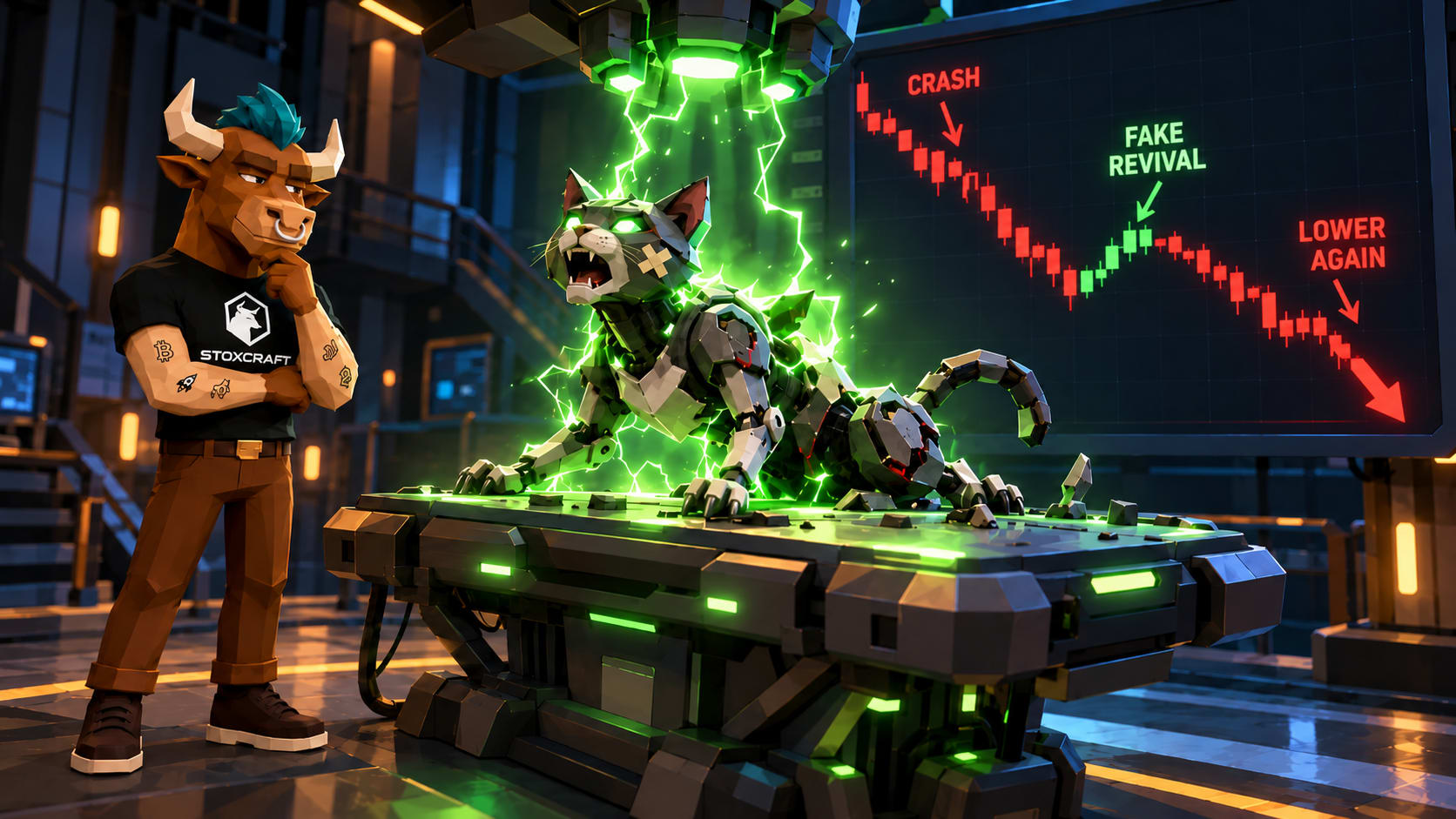
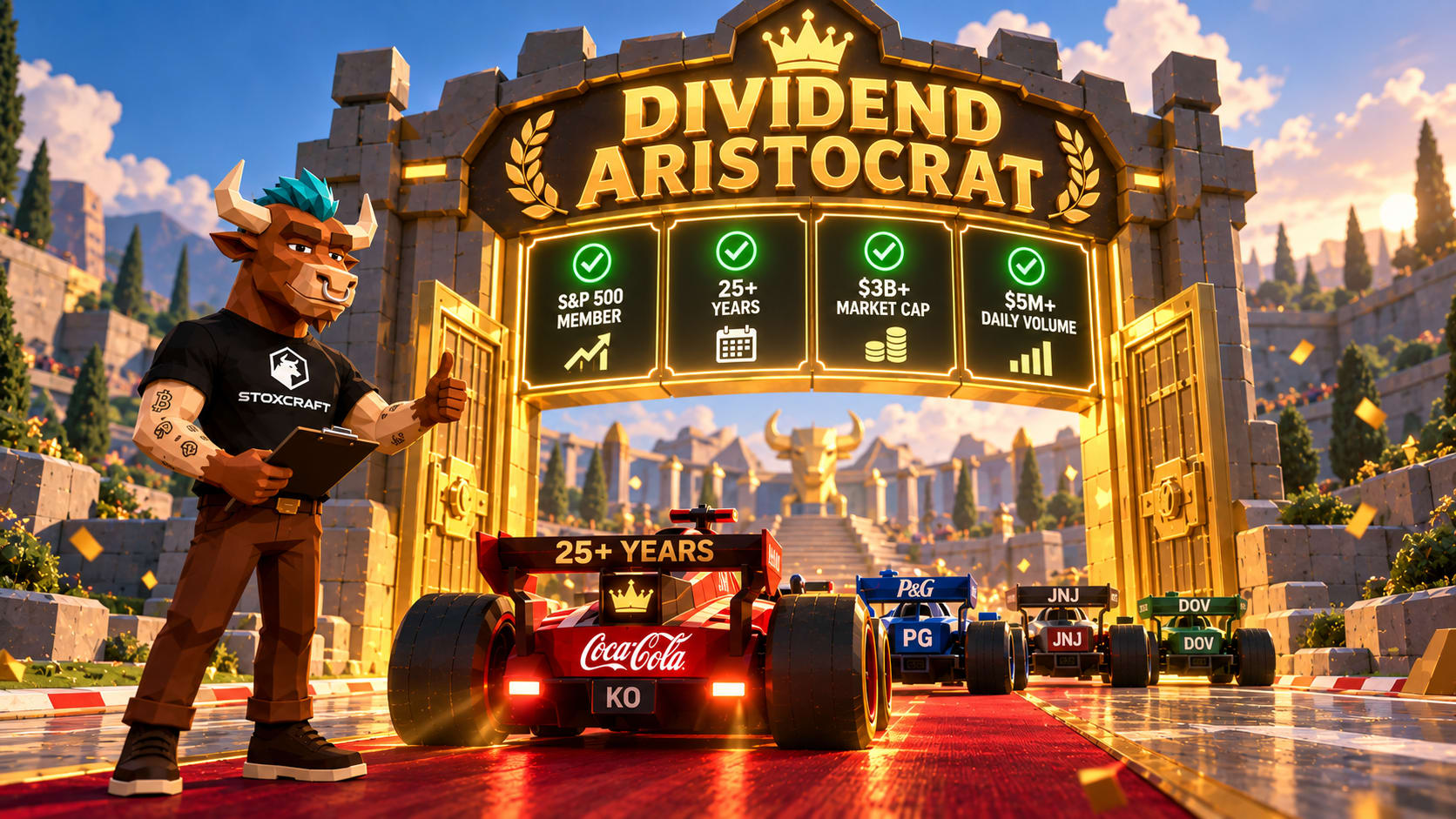
Why waiting to invest feels safer than it really is
You know the feeling.
You hover over the Buy button like it’s a boss fight you’re not geared for yet.
News is loud. Charts look cursed. Everyone online claims they “knew it would happen.”
So you wait. Just a little longer.
And somehow, “a little longer” turns into months. Sometimes years.
Not because you’re lazy. Because your brain is trying to protect you from regret.
The problem is simple: waiting for the perfect moment is usually the most expensive move beginners make.
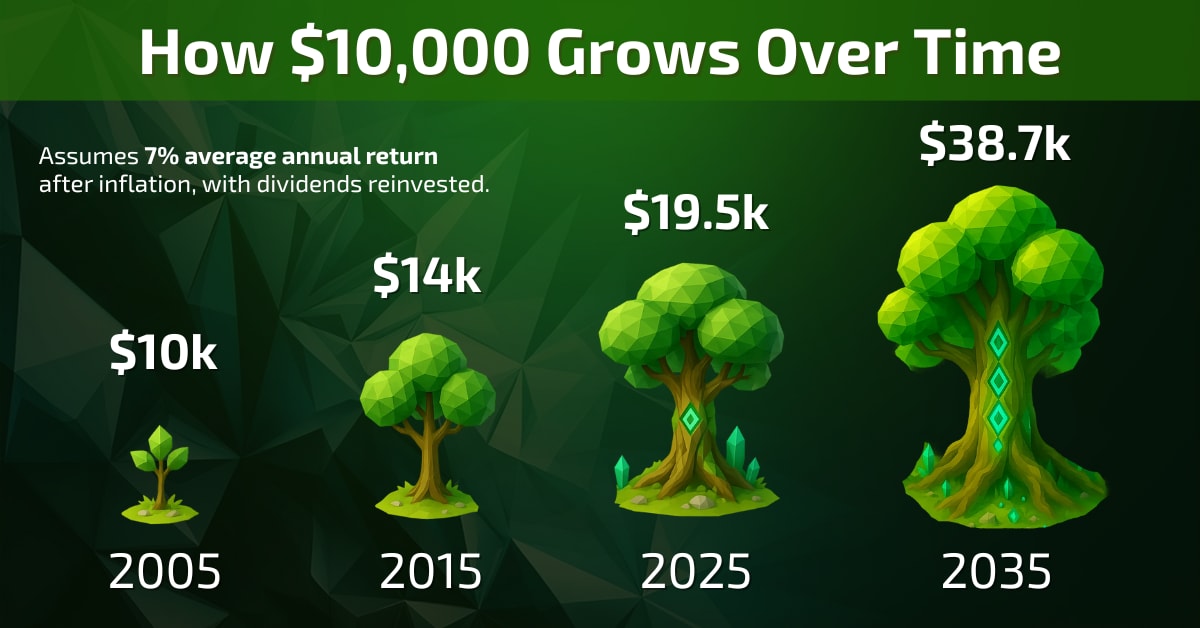
This isn’t hype. It’s a reality check.
Why waiting feels smart
Waiting feels smart because it looks like risk control.
If you buy and the market drops, it hurts.
If you wait and the market drops, you feel safe.
But markets don’t reward the feeling of safety.
They reward time spent owning assets.
Especially if you’re not even fully clear yet what investing actually is and what it’s supposed to do for you long term.
Waiting feels calm.
Progress usually doesn’t.
The timing myth in one sentence
Trying to avoid bad days usually means missing good ones.
According to long-term market data from Vanguard, missing just the 10 best days over a 20-year period can cut total returns by more than 50%. Those days often happen close to the worst ones.
That’s why time in the market tends to matter more than trying to time it.
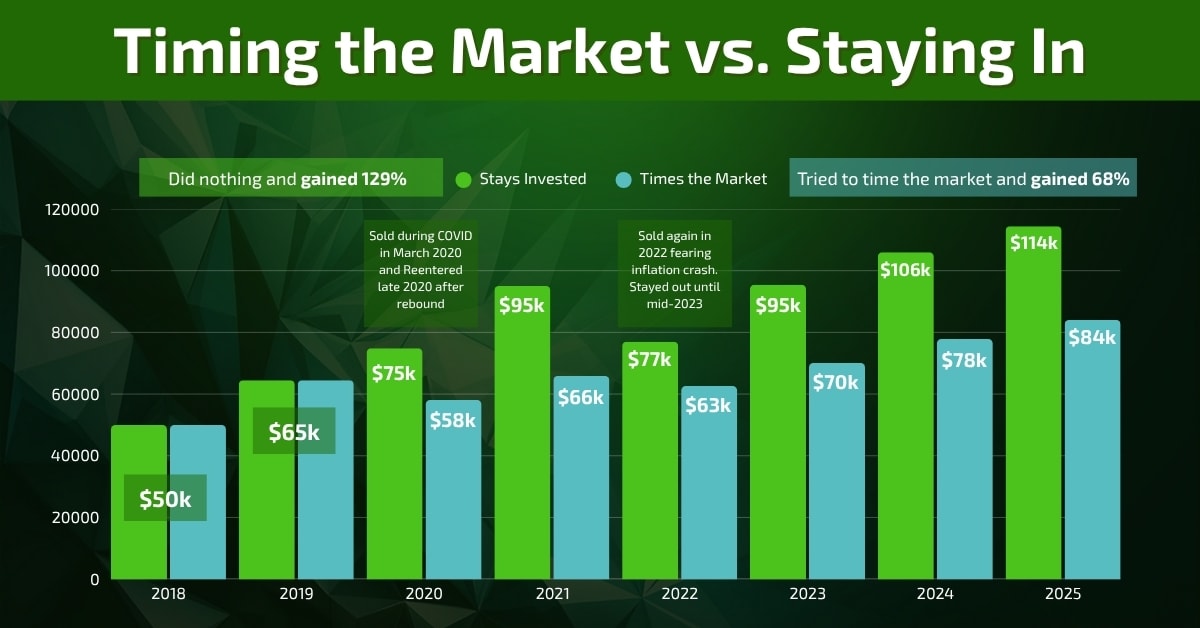
This isn’t about predicting crashes or rallies.
It’s about staying exposed long enough for compounding to do its job.
“Okay, but what if I invest right before a crash?”
That fear makes sense. Almost everyone has it.
Here’s the uncomfortable truth:
If your plan only works when markets behave nicely, you don’t really have a plan.
Markets drop. Always have. Always will.
What matters is whether your setup survives those drops without forcing you to panic, freeze, or quit.
That’s why separating safety money from growth money is so important. Knowing when to save and when to invest removes a lot of emotional pressure before it even shows up.
You don’t need bravery.
You need structure.
The hidden cost of waiting
Waiting for confirmation usually means buying later, not safer.
A few real examples many people waited on for “just a bit more clarity”:
- Amazon after the dot-com crash
- Apple when smartphones were “just a trend”
- Nvidia when AI felt like hype
- Tesla when valuations looked insane








You don’t need to buy any of these today. That’s not the point.
The point is this:
The biggest long-term winners often look uncomfortable early on.
If you require full certainty, you usually enter after a big part of the move already happened.
A beginner plan that beats timing without pretending risk is gone
This isn’t about shortcuts or secret indicators.
A solid first plan looks boring on purpose:
Pick a simple schedule
Weekly or monthly. Something you can stick to even when the market annoys you.
Decide your risk before you choose assets
Most beginners do this backwards. They buy first and panic later.
Understanding how risk and reward actually work together helps you pick a setup you can live with.
Separate growth from excitement
If every move needs to feel exciting, you’ll overtrade.
That’s usually the moment people realize they’re acting more like traders than builders.
Making the shift from reacting to investing long term changes everything.
The gaming comparison that actually fits
In most games, you don’t wait for the perfect run to start playing.
You start the run.
You learn patterns.
You upgrade slowly.
You get better over time.
Investing works the same way.
The real edge isn’t predicting the next patch.
It’s having a setup that still works when the patch drops.
That’s also why long-term thinking feels so hard at first.
Doing nothing rarely feels like progress, even when it is.
The bottom line
If you’re waiting for the perfect entry, you’re not protecting yourself.
You’re delaying your progress.
A better question than “Should I invest now?” is:
“What plan can I stick to even when the market messes with my head?”
If you want a clear path for building that kind of setup step by step, start with Investment Basics and expand from there. Structure beats timing every time.