Quick Start
When doing nothing feels like falling behind

You’ve done the research. Bought the ETF. Built the plan.
Now you’re supposed to sit and wait.
But nothing’s happening. No feedback. No gains. Just... time.
And your brain hates that.
In games like Clash of Clans, waiting is part of the mechanic.
You queue up an upgrade, then watch the timer crawl.
And what do you do while you wait?
Log in. Collect. Tap. Push buttons. Anything to feel involved.
That’s what investing feels like during quiet phases. Even if everything’s on track, you still feel like you should be doing something. And that impulse often leads to action that breaks the strategy.
Your mind is built for short feedback loops.
Study hard, pass the test. Hit the gym, see results.
Do something, get something.
But investing doesn’t work like that. There’s often a huge delay between good behavior and visible reward. That delay creates discomfort, doubt and distraction.
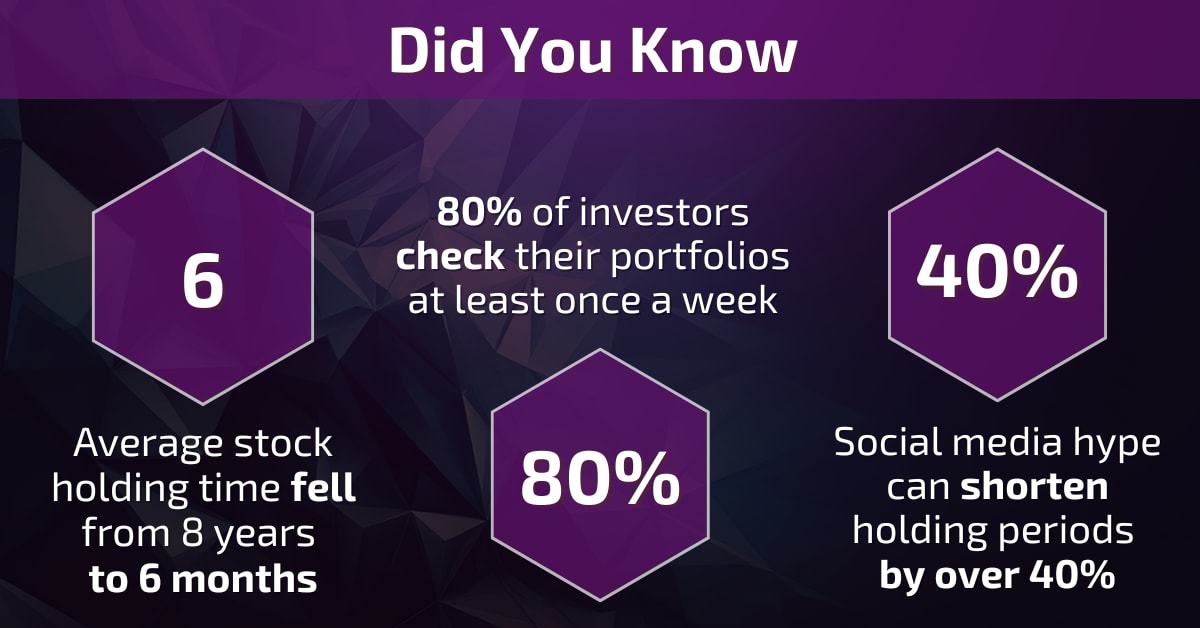
That’s why 60 percent of retail investors check their portfolios multiple times a day and why 30 percent say they’ve changed strategies just because "nothing was happening" within a month.
The system rewards patience. But your brain rewards motion.
And when those two clash, impatience wins unless you catch it.
Holding isn’t laziness. It’s discipline in disguise.
The hardest part isn’t building the portfolio.
It’s not touching it when the world keeps telling you to react.

This is what separates investors from speculators.
Speculators chase noise. Investors build systems they trust and give them time to work.
You’re not failing when things are quiet. You’re winning the slow game.
Because compound growth doesn’t need you to do more. It just needs you to stay in.
Core takeaways:
Let’s see what happens when patience wears thin and that itch to act starts whispering louder than your plan.
